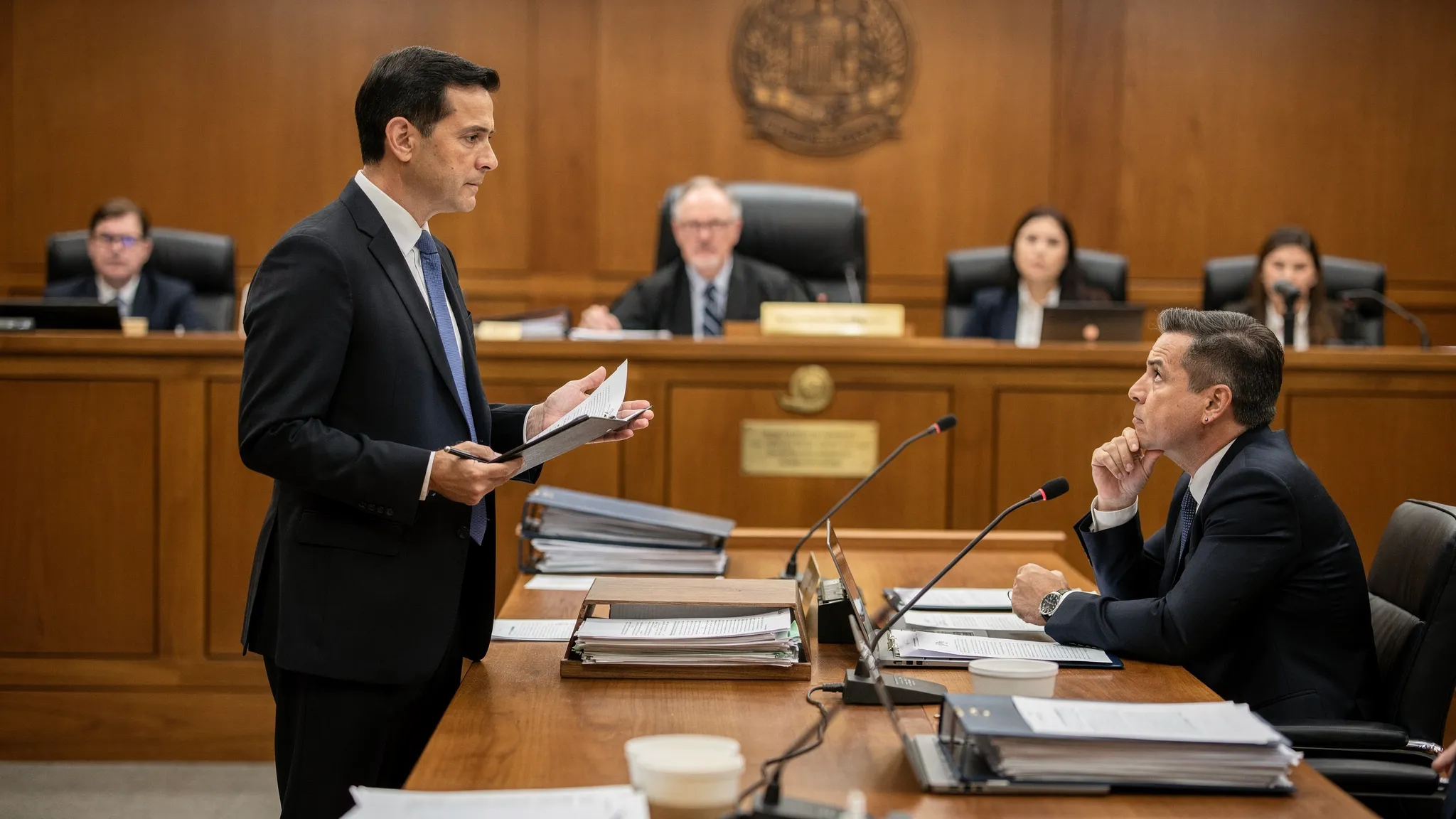
Litigation Discovery Checklist for Faster Case Prep
.png)

Discovery can make or break litigation pace. When requests, medical records, emails, expert materials, and privilege questions are handled reactively, case prep slows down fast. A clear litigation discovery checklist helps your team identify what matters, protect what should not be produced, and move from document review to case strategy sooner.
The checklist below is designed for plaintiff and defense teams that need a practical workflow, not a theoretical outline. Adapt it to your jurisdiction, case type, scheduling order, and client needs.
Start With the Discovery Plan
Before drafting requests or collecting documents, anchor the process in the pleadings and case objectives. Discovery should support the claims, defenses, damages model, settlement position, and trial themes.
| Discovery planning task | Why it speeds case prep |
|---|---|
| Identify claims, defenses, and disputed facts | Keeps requests focused and avoids irrelevant review |
| Map key custodians and document sources | Prevents missed evidence and duplicate collection |
| Calendar court deadlines and response dates | Reduces extension requests and last-minute production issues |
| Define privilege and confidentiality protocols | Limits rework during review and production |
| Set naming and folder conventions | Helps everyone find the right materials quickly |
For federal matters, Federal Rule of Civil Procedure 26 is a useful starting point for proportionality, disclosures, and discovery scope. State rules may differ, so confirm local requirements early.
Litigation Discovery Checklist
Use this checklist as a repeatable framework for faster, more organized case preparation.
1. Confirm the Case Theory and Information Gaps
Discovery should answer specific questions. What must be proven? What facts are missing? Which records could change settlement value? Build requests around those questions rather than sending broad templates.
A strong early case theory also helps legal teams prioritize review. For example, in a personal injury matter, medical chronology, causation, prior conditions, treatment gaps, wage loss, and liability evidence may matter more than low-value background documents.
2. Preserve Evidence Immediately
Send litigation hold notices as soon as preservation duties arise. Identify clients, employees, third parties, devices, cloud accounts, text messages, social media, surveillance footage, medical records, and business systems that may contain relevant evidence.
Preservation should also cover electronically stored information, often called ESI. The Sedona Conference has long emphasized practical cooperation and proportionality in eDiscovery, both of which can reduce disputes and unnecessary expense.
3. Build a Custodian and Source Map
A custodian map is one of the fastest ways to prevent discovery chaos. It should list who may have relevant information, what systems they use, what time period matters, and whether any data is hard to access.
For each custodian or source, capture the basics: name, role, likely evidence, location of records, date range, and collection status. This simple tracking habit makes meet-and-confer discussions more productive and helps avoid surprise gaps later.
4. Draft Targeted Discovery Requests
Interrogatories, requests for production, requests for admission, subpoenas, and third-party authorizations should be specific enough to generate usable evidence. Overbroad requests often produce objections, delay, and messy productions.
Good requests typically connect directly to an issue in dispute. Instead of asking for “all communications,” narrow by topic, time period, parties, and document type when possible. This improves response quality and makes later motion practice easier if the other side resists.
5. Track Incoming and Outgoing Deadlines
Discovery deadlines should live in a shared system, not only in one attorney’s inbox. Track service dates, response deadlines, objection deadlines, production commitments, deposition dates, expert disclosures, and motion cutoffs.
A missed deadline can damage credibility and strategy. A centralized tracker also helps paralegals, associates, and partners see what is pending without hunting through email chains.
6. Review for Relevance, Privilege, and Key Facts
Document review should produce more than a production set. It should produce knowledge. Tag key facts, hot documents, chronology events, damages evidence, impeachment material, and deposition exhibits as review progresses.
Privilege review deserves special attention. Create a consistent process for attorney-client communications, work product, redactions, clawback agreements, and privilege logs. If your jurisdiction permits or requires specific clawback procedures, address them before production.
7. Turn Discovery Into Case-Ready Work Product
The biggest time savings often come after collection and review. Discovery materials should feed directly into case prep outputs, including:
- Medical chronologies and treatment summaries
- Demand letters and settlement briefs
- Deposition outlines and witness prep notes
- Damages summaries and liability timelines
- Trial exhibit lists and motion support
This is where AI-powered litigation support can help. TrialBase AI analyzes legal documents and helps transform them into case-ready outputs such as demand letters, medical summaries, deposition outlines, trial materials, and settlement-focused insights. For teams managing heavy document volume, this can reduce manual drafting time and keep work product aligned in one workflow.

Common Discovery Bottlenecks and Quick Fixes
| Bottleneck | Faster fix |
|---|---|
| Too many irrelevant documents | Refine date ranges, custodians, and issue tags |
| Late client records | Use a source map and follow-up calendar |
| Inconsistent review notes | Create standard tags for facts, damages, privilege, and exhibits |
| Deposition prep starts too late | Build outlines as documents are reviewed |
| Settlement materials take days to assemble | Maintain updated summaries throughout discovery |
The goal is not simply to move faster. The goal is to make every discovery step useful for negotiation, motion practice, deposition strategy, and trial preparation.
Frequently Asked Questions
What is litigation discovery? Litigation discovery is the formal process where parties exchange information, documents, testimony, and evidence relevant to claims and defenses in a legal dispute.
Why use a litigation discovery checklist? A checklist reduces missed deadlines, organizes evidence collection, improves review consistency, and helps legal teams turn raw documents into usable case strategy faster.
What should be included in a discovery plan? A discovery plan should include key issues, custodians, document sources, preservation steps, deadlines, privilege procedures, production formats, deposition needs, and review responsibilities.
Can AI help with litigation discovery? Yes, AI can help analyze documents, summarize records, identify case themes, and draft litigation work product. Attorneys should still review outputs for accuracy, privilege, and legal strategy.
Prepare Discovery Faster With TrialBase AI
Discovery is most valuable when it becomes actionable work product. TrialBase AI helps litigation teams upload documents and generate case-ready materials, including demand letters, medical summaries, deposition outlines, and trial preparation materials in minutes.
If your team wants to spend less time organizing documents and more time building stronger cases, explore TrialBase AI and see how intelligent litigation support can streamline case prep from intake to verdict.