Evidence at Trial: How to Authenticate Fast and Avoid Exclusion
.png)
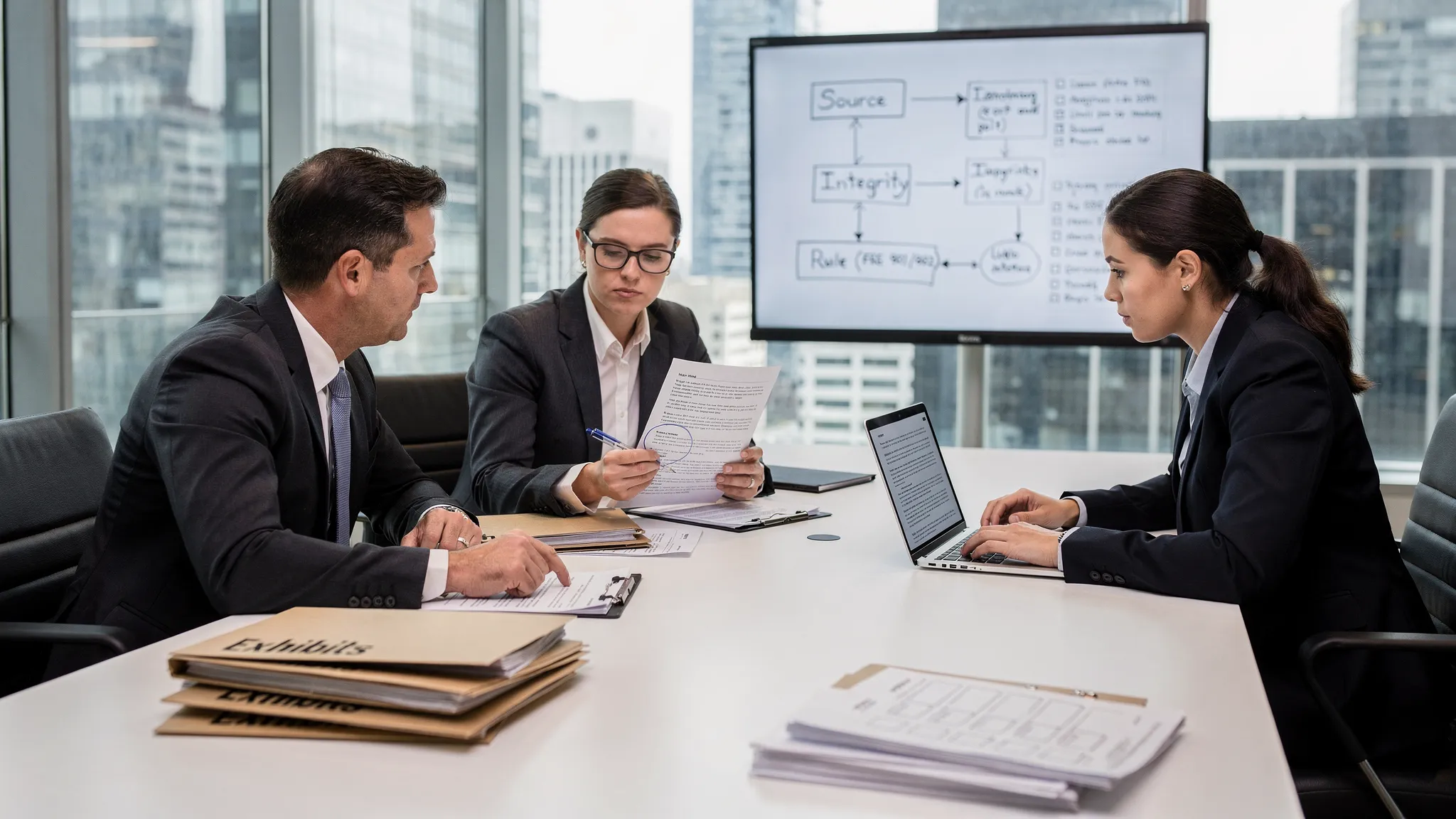
Most trial lawyers lose evidence for avoidable reasons: a missing custodian, an incomplete business-records certification, a screenshot with no provenance, or a late disclosure that triggers a motion in limine. The good news is that authentication is usually a process problem, not a legal mystery. If you build a repeatable foundation early, you can move fast at trial and drastically cut exclusion risk.
What “authentication” really requires (and what it does not)
Under FRE 901, the proponent must offer evidence “sufficient to support a finding” that the item is what you claim it is. This is a low threshold. Many judges will let it in with a basic foundation and leave weight and credibility to the jury.
But evidence at trial still gets excluded when authentication is bundled with other problems:
- Hearsay (FRE 801 to 807) when you lack an exception.
- Best evidence rule (FRE 1002) when you offer testimony about a writing/recording instead of the record.
- Relevance or unfair prejudice (FRE 401 to 403) when the item’s probative value is unclear or the presentation is messy.
- Discovery and disclosure issues (local rules, scheduling orders, Rule 26/37 in federal court), which can lead to preclusion regardless of authenticity.
Practical takeaway: plan your authentication with admissibility in mind, not as a separate, last-minute hurdle.
The fastest paths to authentication (use these first)
1) Stipulations and pre-admission
The quickest foundation is agreement. If the exhibit is not truly disputed, propose a narrow stipulation: authenticity only (not relevance, not hearsay). Courts generally appreciate streamlined trials.
2) Self-authentication under FRE 902
Before you call a witness, ask: can this come in via FRE 902?
Common examples include certified public records (902(4)), official publications (902(5)), newspapers/periodicals (902(6)), and most importantly for litigators, certified business records (902(11) and 902(12)) and certain electronic evidence under 902(13) and 902(14) when supported by proper certification.
This is how you avoid burning trial time on custodians.
3) “A witness with knowledge” (the reliable workhorse)
If you cannot self-authenticate, a straightforward 901(b)(1) witness is often enough: the photographer, the recipient of an email, the person who pulled the records, or the investigator who collected the item.
The key is speed: prepare a short, repeatable foundation (see script below).
Build an “authentication packet” for every exhibit
If you want to authenticate fast at trial, do the work earlier than you think you need to. For each exhibit (or exhibit category), create a small packet that answers:
- What is it? (description and purpose)
- Where did it come from? (source and collection method)
- Who can testify or certify it? (name, role, contact)
- Which rule gets it in fastest? (901 witness, 902 certification, stipulation)
- What is the hearsay theory? (not for truth, or exception like 803(6))
- Any red flags? (edits, missing pages, inconsistent timestamps, incomplete chain)
This is also where teams win or lose: assigning tasks, tracking certifications, and version-controlling exhibits.
If your firm manages litigation workflows in Jira or Confluence, working with an Atlassian consultant can help tighten handoffs, evidence checklists, and approval flows so authentication steps do not slip.
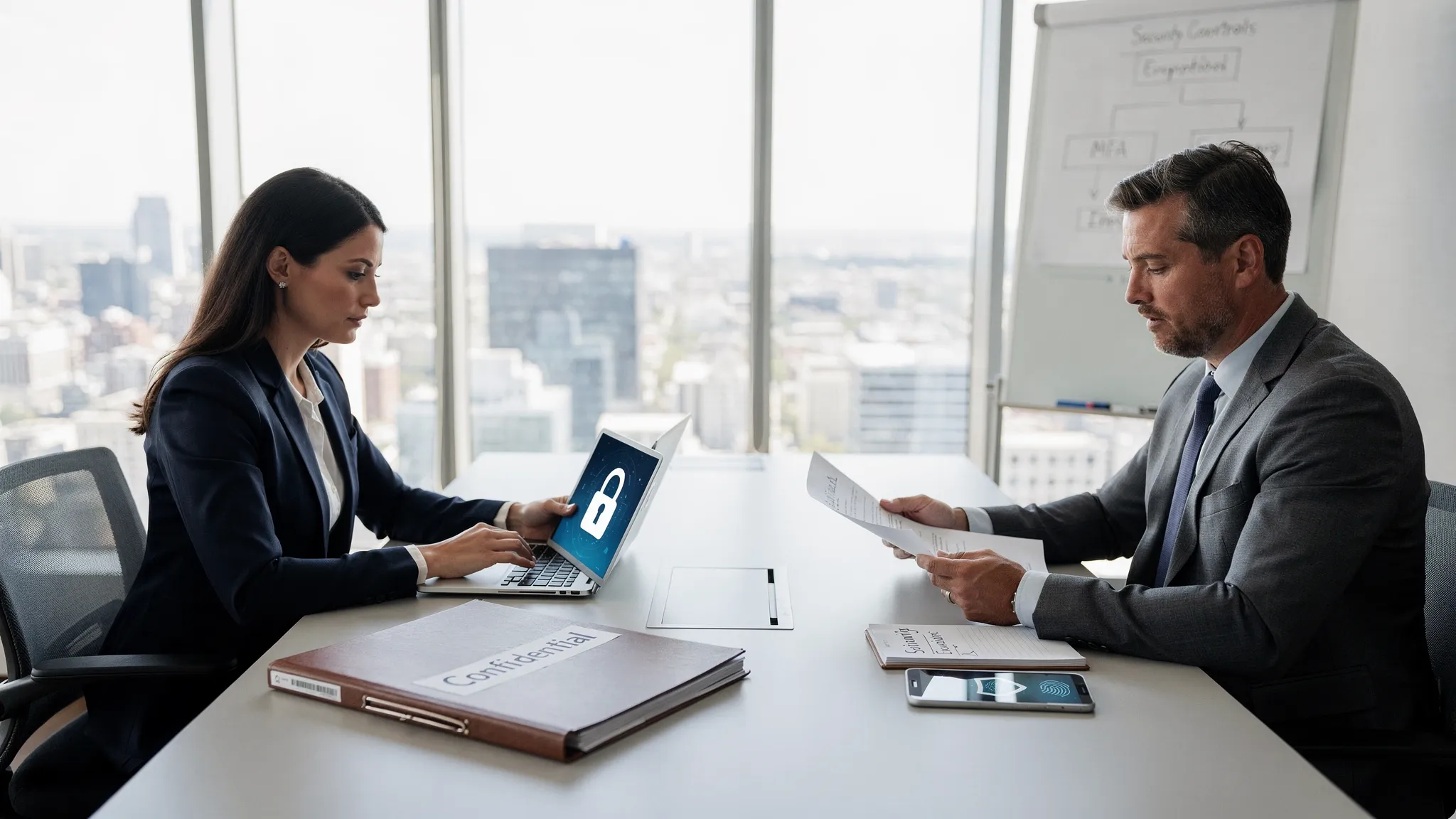
Digital evidence: where authentication goes to die (unless you simplify)
Text messages, social posts, and screenshots are frequently challenged because they are easy to fabricate and hard to contextualize. You do not need perfection, but you do need a story the judge can follow.
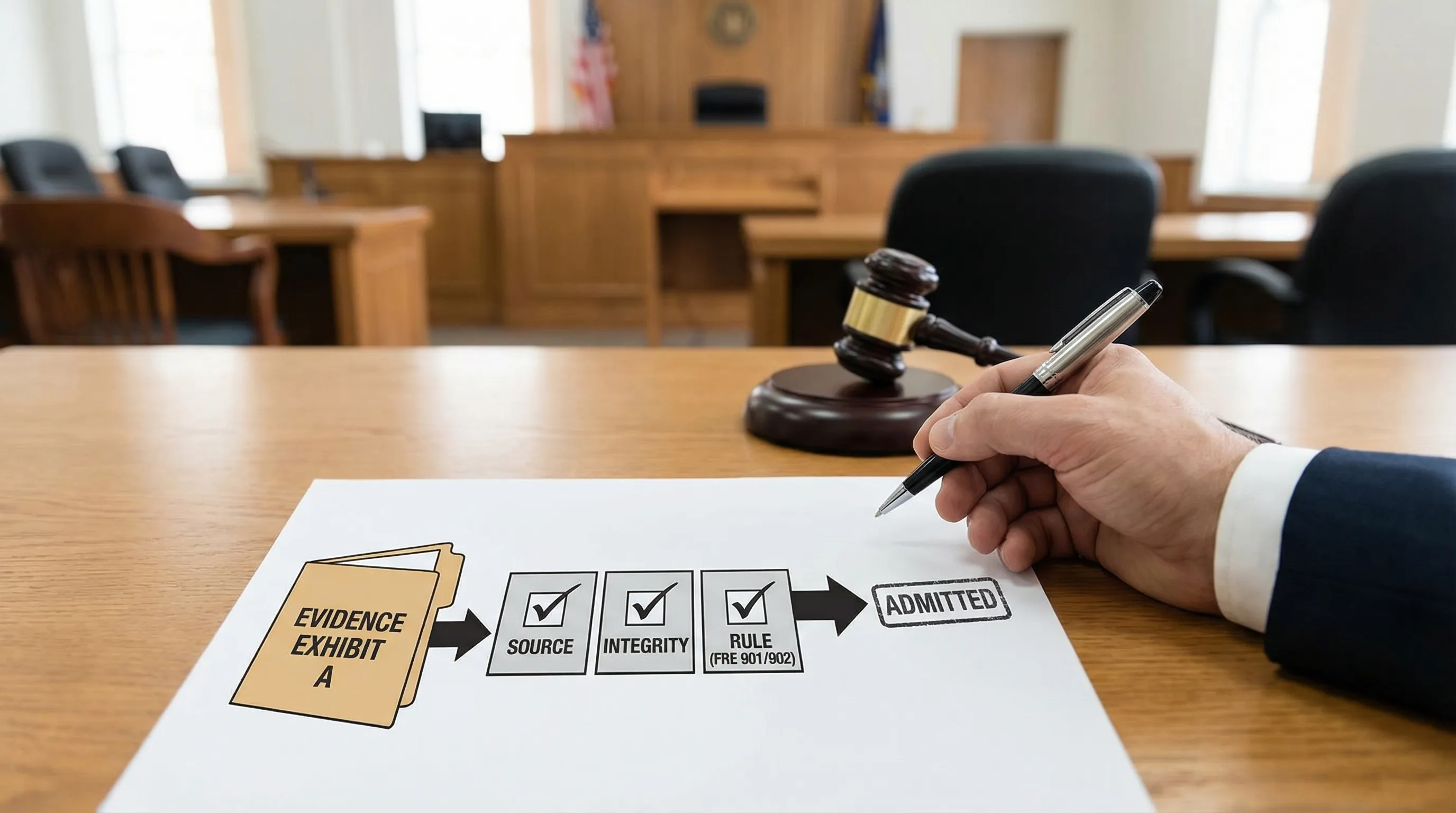
Focus on three elements:
Provenance
Who captured it, when, and how? What device or system? Was it exported, photographed, or downloaded?
Integrity
What makes it reliable? Examples include:
- Native exports with metadata
- Platform account identifiers
- Hash values (when appropriate)
- Testimony describing an unaltered capture process
Attribution
If the key issue is “who said it,” build connecting facts: phone number, username history, prior communications, admissions, or corroboration.
A fast foundation script you can reuse in court
For a typical record, photo, or digital exhibit, keep the foundation tight:
- Identify the exhibit.
- Establish how the witness recognizes it.
- Confirm it fairly and accurately depicts/reflects what it purports to show.
- Establish creation or capture context (date range, system, device).
- Address completeness and whether it has been altered.
Then pivot immediately to the next admissibility issue (hearsay exception, relevance, 403). The biggest time saver is not over-lawyering 901.
Quick reference: fastest route by exhibit type
| Exhibit type | Fastest authentication path | Common exclusion trap to preempt |
|---|---|---|
| Medical or billing records | 902(11)/(12) certification + 803(6) | Missing notice to opposing counsel, incomplete certification language |
| Public records | 902(4) certified copy | Offering an unofficial printout with no certification |
| Photos/video | 901 witness who took it or observed scene | No testimony that it “fairly and accurately depicts” |
| Emails | 901 via sender/recipient or IT custodian | No link between account and person (attribution gap) |
| Texts/social screenshots | Prefer native export + 901 witness | Screenshot with no provenance, date, or device context |
| Summaries/charts | 1006 summary with foundation | Underlying materials not produced or not available for inspection |
Prevent exclusion before trial: two moves that matter
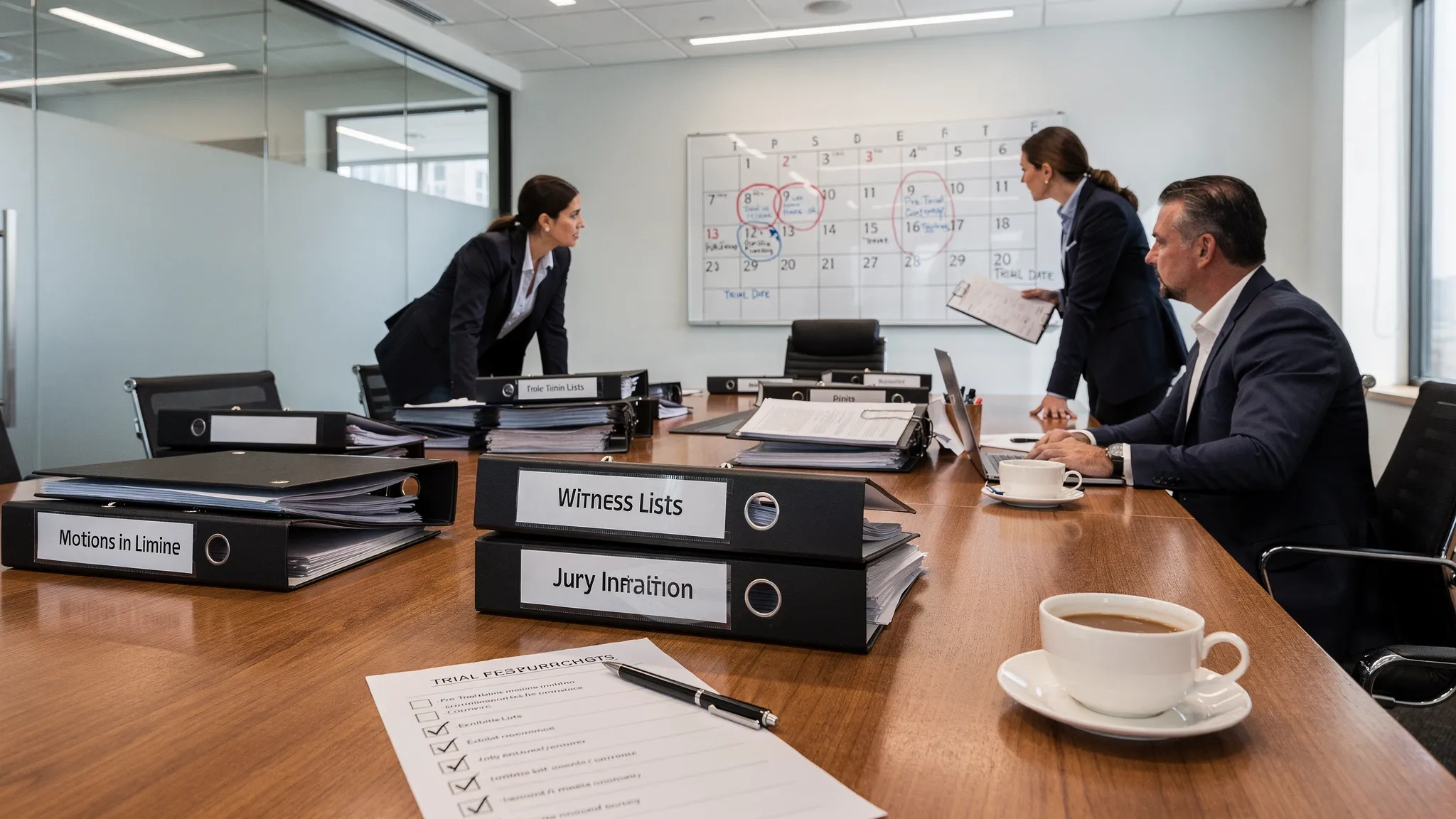
Motions in limine as an “admissibility dry run”
If you anticipate a fight, tee it up early. Courts often appreciate resolving foundation disputes before jurors are seated.
Offer to cure, not to argue
When a judge signals concern, your best move is often procedural: “We can call the custodian,” “We can provide the 902(11) certification,” or “We can lay the foundation through X.” Having that plan ready is what keeps evidence at trial from getting sidelined.
Frequently Asked Questions
What is the quickest way to authenticate evidence at trial? The quickest path is usually a stipulation on authenticity or self-authentication under FRE 902 (especially 902(11)/(12) for certified business records). If neither applies, use a witness with knowledge and keep the foundation short.
Do I need the person who created the document to authenticate it? Usually not. FRE 901 often allows authentication through any witness with sufficient knowledge. For many records, a custodian certification under FRE 902 is even faster.
Why do screenshots get excluded so often? Screenshots are easy to fabricate and often lack provenance, integrity details, and attribution. A better approach is a native export (when possible) plus testimony explaining how it was captured and why it is reliable.
Is authentication the same as overcoming hearsay? No. Authentication answers “what is it?” Hearsay rules answer whether the content can be used for its truth. You often need both foundations.
Get to trial-ready exhibits in minutes, not nights
If your team is drowning in records, emails, and medical charts, speed comes from systems. TrialBase AI is built for intelligent litigation support from intake to verdict: upload documents and generate litigation-ready materials like demand letters, medical summaries, and deposition outlines in minutes.
Explore how it fits your workflow at TrialBase AI.